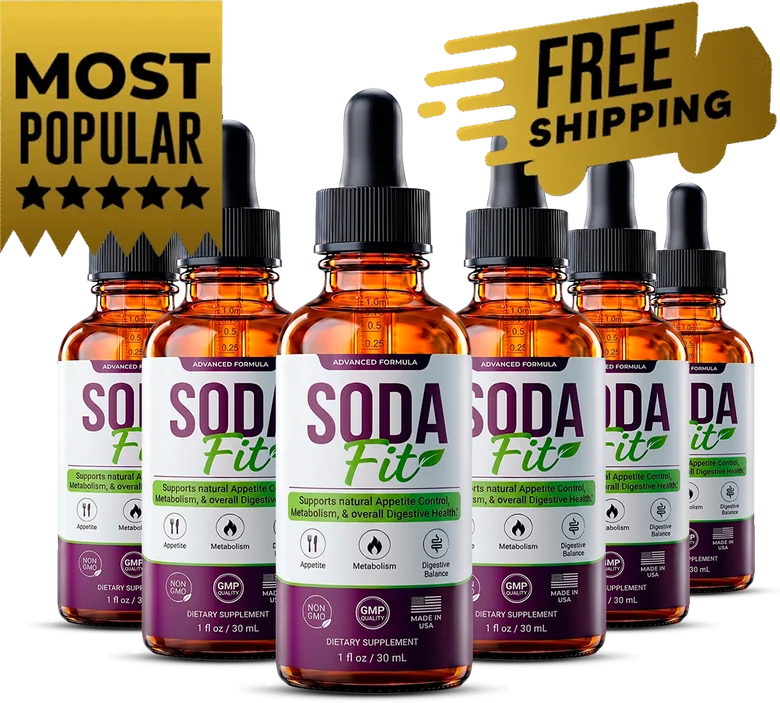
Why The Same Supplement Name Ends Up With Different Ingredient Lists
It sounds like it should not be possible: one product name, multiple different reported formulas. But in the direct-to-consumer supplement space, this happens more often than most buyers realise.
Understanding how this happens helps you know what to actually check before ordering.
White-label and reseller supplement models
Many supplement products in this category are manufactured by contract facilities and then sold under different brand names, or resold by different affiliate marketers who each build their own landing page. When multiple parties market a similarly-named product independently, small variations, updates, or entirely different formulas can end up sharing a name without a single centralised source of truth.
Regional and time-based formula changes
It is also common for legitimate products to update their formula over time, or to have region-specific versions, without every online listing being kept current. An older review or listing might describe an earlier formula that no longer matches what is currently shipped.
Marketing pages that outlive product changes
Affiliate marketing pages, once published, are not always updated when the underlying product changes. This can leave outdated ingredient information circulating long after a formula has shifted.
What this means for you, practically
How this applies to SodaFit specifically
Our research into SodaFit's ingredient situation found exactly this pattern: multiple reported formulas, no single official panel we could confirm. That does not automatically make the product illegitimate, but it does mean the verification step matters more than usual here.